

6 products
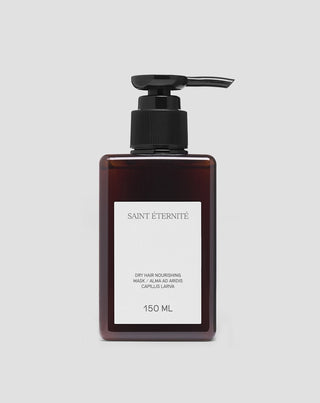
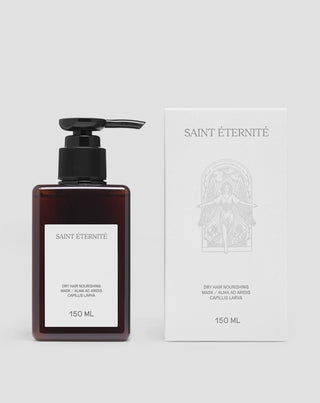
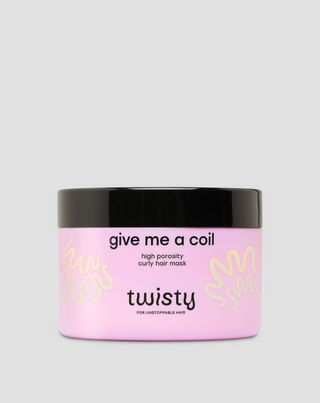
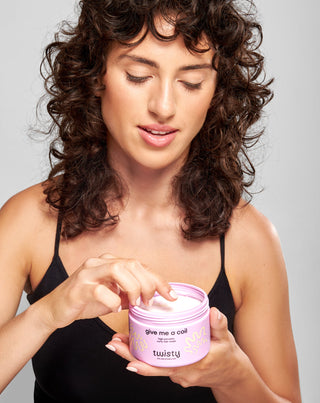
Nutridome hair masks - the beginning of intensive care
Hair masks are a key part of conscious and in-depth care. Their rich, concentrated texture allows the active ingredients to penetrate deeper than a traditional conditioner, effectively nourishing and rebuilding hair from the inside out.
In Nutridome's offer you'll find masks created for different needs - from those for curly, dry, thin, blonde hair, to masks dedicated to people after keratin straightening or hair with a tendency to fall out.
Why should you reach for hair masks?
Systematic use of masks helps maintain the proper level of hydration of hair, supports its regeneration and reconstruction, as well as smooths the surface and gives natural shine. Many formulas protect hair from the adverse effects of external factors, such as sunlight, heat or environmental pollution.
Carefully selected ingredients reduce breakage, make it easier to comb and strengthen the roots, which supportsthe prevention of hair loss. Some masks regulate sebum secretion and soothe scalp irritation. The addition of emollients and natural oils creates a subtle protective layer on the hair, which retains moisture and protects strands from damage.
This allows your hair to enjoy a healthy appearance and better condition every day.
The most popular types of hair masks - which one to choose?
At Nutridome, we have prepared a wide selection of masks that meet different needs:
- Moisturizing masks - based on humectants and moisturizing ingredients, such as hyaluronic acid and aloe vera, are ideal masks for dull and dryhair
- Protein masks - with the addition of keratin, soyprotein or silk, help rebuild and increase the elasticity of damaged strands
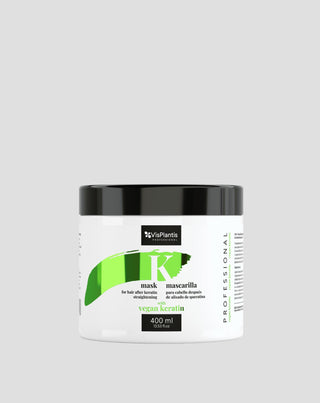
- Keratin and post-straightening masks - prolong the effect of smoothness after straightening treatments
- Masks without alcohol - created for people with sensitive scalps, they gently care and do not cause irritation
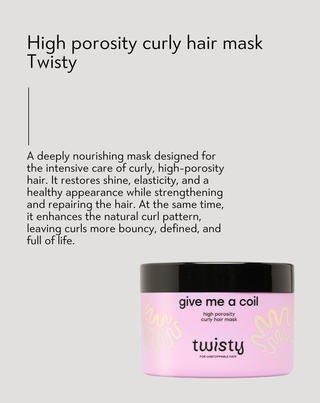
- Masks for curly hair - enriched with coconut oil, accentuate curl and strengthen curls
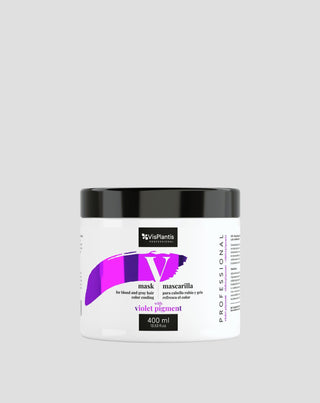
- Masks for blonde and gray hair (violet) - help maintain a cool shade and reduce yellow highlights
- Laminating masks - provide exceptional smoothing and shine
Many masks combine different functions, such as moisturizing and color protection - if your hair needs comprehensive care, these products will work great.
How to choose a mask for your hair type?
The best hair mask is the one that suits your hair's current needs and texture.
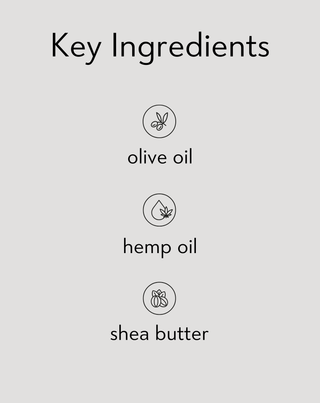
- Dry and highly porous hair will like masks with shea butter, babassu butter or emollients, which intensely moisturize and rebuild
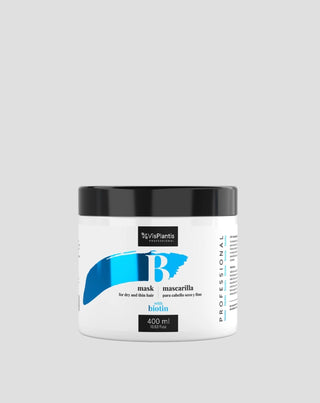
- Thin hair responds best to light proteins and oils, such as grape or jojoba - they do not weigh down the strands, while adding volume
- Curls require formulas that accentuate the curl and strengthen curly hair, often with coconut oil, flaxseed oil and humectants
- After keratin straightening , it's worth reaching for masks with vegetable keratin and smoothness-supporting ingredients
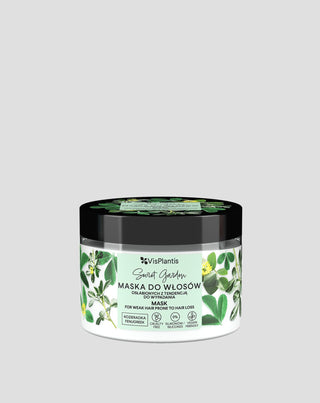
- Weakened hair with a tendency to fall out will benefit from formulas containing biotin and plant extracts
- Blonde hair is best cared for with masks that help maintain a cool shade and prevent yellowing
If your hair has a variety of needs, alternating between moisturizing hair masks, protein and emollient products is an easy way to maintain balance.
The most important active ingredients in Nutridome hair masks
In Nutridome masks you'll find a wealth of natural oils - argan, coconut, jojoba, baobab, flaxseed or grape seed - that effectively nourish hair and protect against moisture loss. Shea and babassu butters intensively smooth and lubricate, especially dry and damaged strands.
Humectants such as hyaluronic acid, glycerin, aloe vera and inulin provide optimal hydration.Soy protein , wheat protein , silk and vegetable keratin help rebuild the hair structure from the inside. In addition, panthenol and natural plant extracts soothe the scalp and add shine.
How to use hair masks and how often to reach for them?
Incorporating a hair mask into your hair care routine is extremely easy. Here is a proven method:
- Cleansing - wash your hair with shampoo. From time to time, you can use a gentle scrub or clay to better cleanse your scalp and prepare your hair to accept the mask
- Application - spread an appropriate amount of the mask over the entire length of your hair or from the mid-lengths. For very dry hair, you can gently massage it into the scalp as well, opting for mild formulas
- Duration of action - leave the mask on your hair for 5-30 minutes. You can use a cap or warm compress to enhance the effect
- Rinsing - rinse the mask with lukewarm water. Some 2-in-1 masks can be used as a quick conditioner - then a shorter duration of action is sufficient
- How often It is recommended to use the mask 1-2 times a week. For extremely dry or damaged hair, you can increase the frequency, observing the reaction of the hair
- Tips - use masks alternately (protein, moisturizing, emollient) to maintain balance. If you have dandruff or oily hair, go for products with panthenol and normalizing ingredients. Masks with low pH and keratin are a good choice after straightening treatments
Frequently asked questions about hair masks
How often should I use a hair mask?
Optimally, a mask is worth using 1-2 times a week. If your hair is very dry or damaged, you can reach for it more often - even 3 times a week. Observe your hair and adjust the type of mask (moisturizing, protein, emollient) to maintain balance.
What is the difference between a mask and a conditioner?
A mask contains more active ingredients than a conditioner and lasts longer, allowing it to regenerate hair more effectively in depth. Conditioner, on the other hand, works faster and more superficially.
How do I choose a mask for my hair's porosity?
Low-porous hair responds best to light oils, such as coconut or jojoba. Medium porosity hair will like medium molecular weight oils, such as argan or grape seed. Masks for high-porosity hair contain heavier emollients, shea butter, babassu butter and proteins. It's worth testing different options to find the perfect mask for you.
Are Nutridome masks suitable for sensitive scalps?
Many of our masks contain no alcohol or artificial colors, are based on natural ingredients and oils, and are not tested on animals. If you have a very sensitive scalp, it's a good idea to test on a small patch of skin before first use.
How to take care of curls and emphasize the twist with the help of a mask?
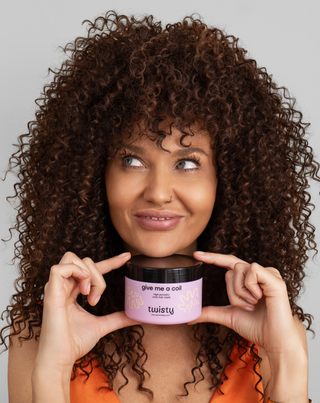
To bring out the twist and strengthen curls, choose masks with oils (such as coconut, flaxseed) and moisturizing ingredients. After washing, you can use the "scrunch" or plopping method, and leave a small amount of mask on the ends to make curls more bouncy and defined. The right proteins and natural ingredients will further enhance the beauty of your curly hair.