

55 products










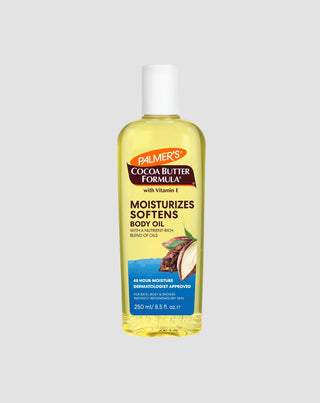
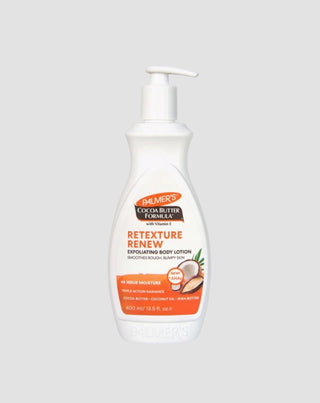
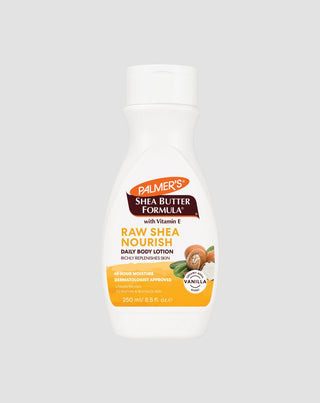
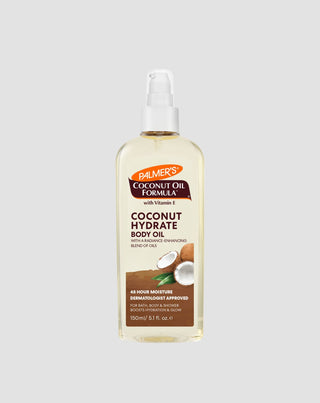
Cosmetics for atopic skin - how do they help and why should you reach for them?
Atopic skin can be extremely demanding - it can cause difficulties for a long time, such as dryness, itching, redness and ease of irritation. The key to daily relief is to use products specially formulated for this skin type.
Dermocosmetics that help alleviate symptoms are invaluable in daily care and significantly improve comfort. Their task is primarily to strengthen the skin's natural protection, take care of the balance of the microbiome and provide deep hydration for longer.
Regularity of application and avoidance of irritating detergents or intense fragrances are also important. At Nutridome, you will find solutions for both adults and the whole family - these are safe formulas, often hypoallergenic, that have undergone a number of studies. This makes daily care simpler and the challenges of atopic dermatitis more manageable.
Key active ingredients to support atopic skin
Properly selected active ingredients are key to the effectiveness of cosmetics for atopic skin. They are responsible for regeneration and daily comfort:
- Emollients - retain moisture, forming a protective layer on the skin
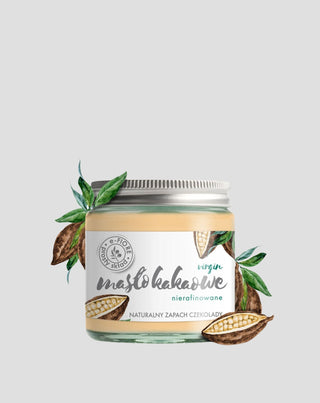
- Shea butter and vegetable oils - such as hemp, jojoba and almond - lubricate, provide valuable lipids and help rebuild the hydrolipid barrier
- Ceramides - replenish lipid deficiencies in the epidermis, promoting its reconstruction
- Hyaluronic acid - intensely hydrates, improves elasticity and brings relief to tight skin
- Panthenol and allantoin - soothes irritation and promotes healing
- Niacinamide and vitamins - promote cell renewal and reduce inflammation
Not every cosmetic needs to contain all of these ingredients - so it's worth reading labels and choosing products that best suit your skin's current needs. Nutridome offers a wide selection of products based on ingredients of natural origin, which are well suited to the daily care of people with atopy.
If you want to go into specific products that will help you in the fight against atopic skin, be sure to check it out:
- Cosmetics with shea butter
- Creams with ceramides
- Creams with hyaluronic acid
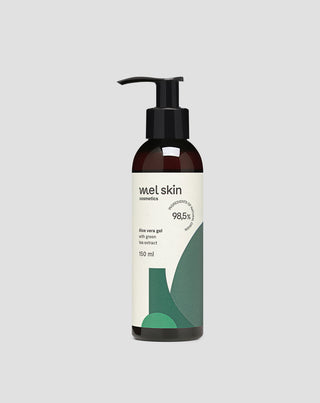
- Cosmetics with aloe vera
- Moisturizing face creams
- Creams with urea
- Cosmetics with squalane
- Creams with vitamin E
- Hand creams
- Creams for feet
Stages of care and types of preparations for atopic skin
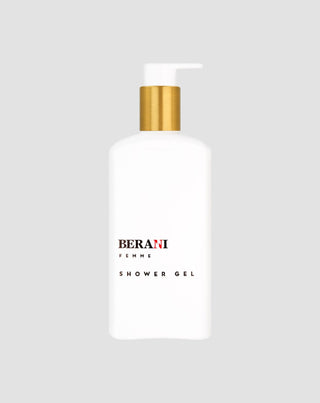
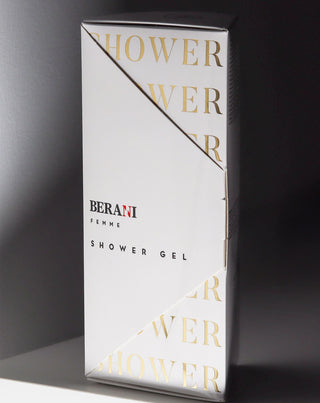
Well-groomed atopic skin is the result of four simple steps. The first is gentle cleansing - mild gels, soaps without irritating substances or products designed for skin with eczema work best here.
The next step is moisturizing and lubricating, using lotions, creams or butters rich in emollients, oils and water-binding ingredients. The third pillar is protection from irritants - choose natural fabrics for clothes and make sure to take short summer baths so that the skin is not exposed to dryness.
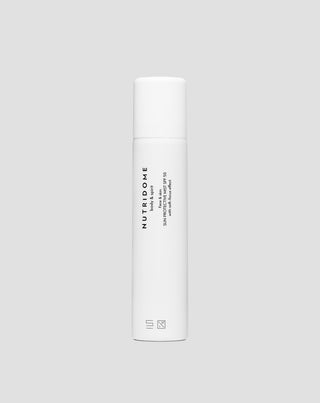
The final step is sun protection - creams and mists with UV filters protect against harmful rays. Systematic application of layers of these products - even several times a day - helps maintain hydration and rebuild the protective barrier, which significantly extends periods without exacerbations.
People who reach for Nutridome cosmetics praise them for their rapid soothing of irritation and effective support of skin regeneration. Many formulas also show anti-inflammatory or antibacterial properties, and some additionally slow down the skin aging process.
Answers to the most common questions about cosmetics for atopic skin
How often to apply emollients for atopy?
It's best to apply them twice a day and after every contact of the skin with water. Systematicity is very important - this way the skin regenerates faster and it is easier to keep it properly moisturized.
Can UV sunscreens cause irritation?
Some sunscreens can cause reactions, especially if they contain fragrances or alcohol. The best choice is dermocosmetics with mineral filters - they are gentler and better tolerated by sensitive skin. Protection from the sun is essential all year round and should be a regular part of atopy care.
How to choose a gentle cleanser?
Reach for gels and cleansing oils without irritating detergents, enriched with natural oils and panthenol. Such formulas gently cleanse without compromising the skin's natural barrier. Remember to keep baths short and in lukewarm water - too hot can exacerbate itching and dryness.
Are vegan and cruelty-free cosmetics effective for atopic skin?
The effectiveness of such products depends on their composition. If they contain supportive ingredients, such as emollients, shea butter or hyaluronic acid, they do not differ in effectiveness from other dermocosmetics. Certifications, such as PETA, confirm an ethical approach to production.
When is it a good idea to consult a dermatologist about skin care?
If you experience frequent flare-ups, infections, or do not see improvement despite regular care, it is a good idea to make an appointment with a dermatologist. The specialist can suggest appropriate treatment or advise which dermocosmetics will work best in your case.