

39 products
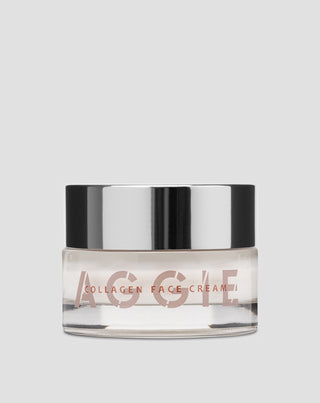
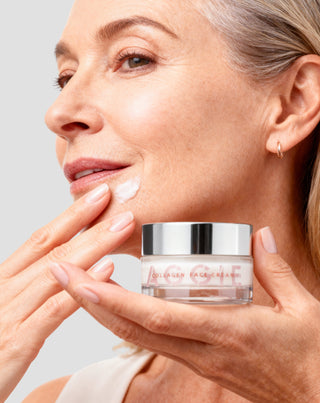
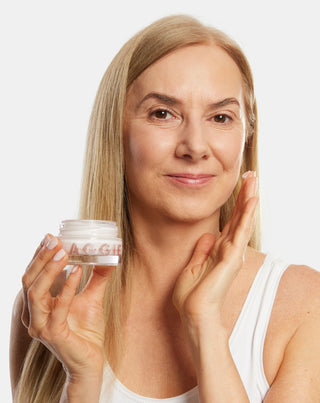
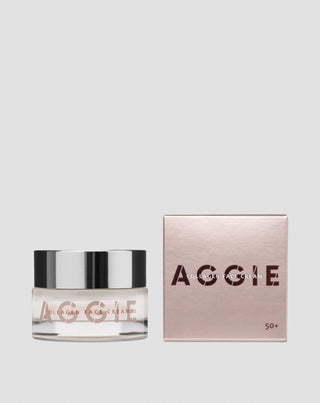



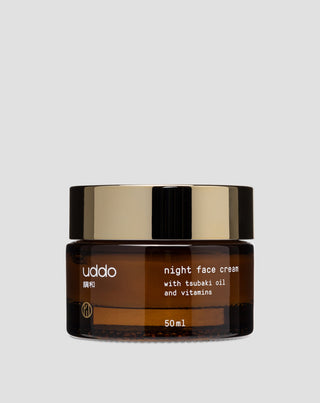







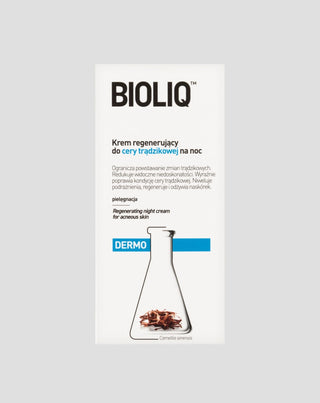
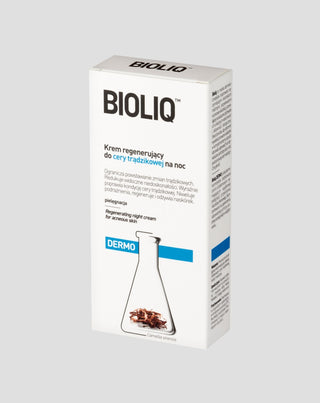
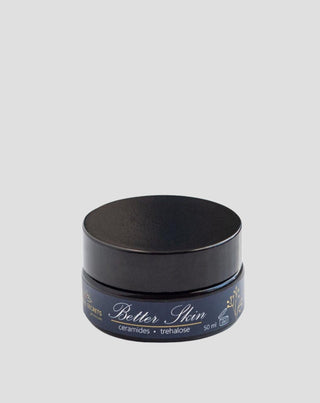
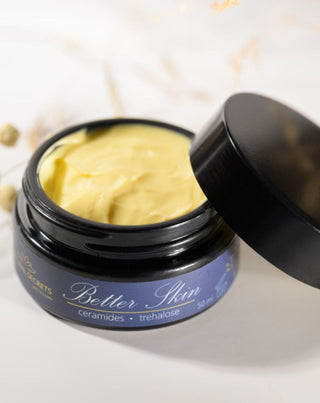






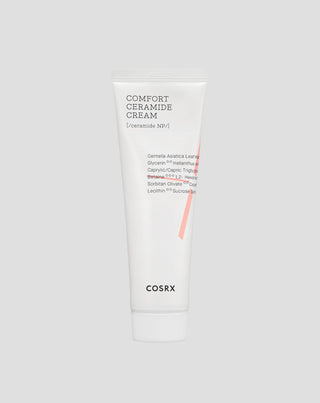
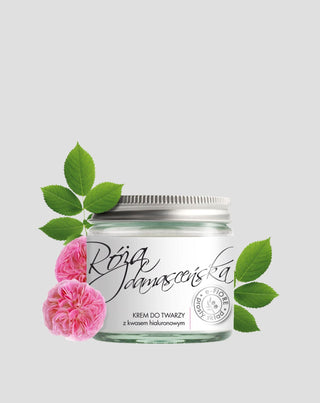
Night creams - a key part of evening care
Using a night cream is an integral part of conscious skin care to maintain a healthy-looking complexion and fully comfortable, especially when you are sleeping and your body is regenerating. We reach for such a cream in the evening because its rich, nourishing formula - free of UV filters - is designed to work with the skin's natural repair processes while you rest.
These products deeply moisturize, strengthen the protective barrier, soothe irritation and promote facial elasticity and smoothness. For many, they are also an important part of anti-aging care. Importantly, night creams will work well regardless of age or skin type - from dry to combination to sensitive.
Increasingly, you'll encounter formulas based on plant-based and non-animal-tested ingredients that draw on the power of nature. At Nutridome, we also focus on products in environmentally friendly packaging, because beauty care goes hand in hand with responsibility for the planet. Evening care shouldn't be a rush - it's your moment of calm and self-care.
Ingredients that make night cream special
It is the properly selected active ingredients that make night creams effective in supporting your skin. Remember that not every cosmetic contains all the listed ingredients - choose the one that best suits your current needs.
- Retinol - helps exfoliate the epidermis, stimulates collagen production, evens out skin tone and helps reduce discoloration. When using retinol, make sure to protect your skin from the sun during the day. Check out creams with retinol
- Hyaluronic acid - intensively moisturizes, smoothens and prevents water loss from the skin. Try creams with hyaluronic acid
- Ceramides - strengthen the natural protective barrier, protecting against dehydration and harmful effects of external factors. See creams with ceramides
- Peptides - stimulate the natural production of collagen and elastin, which translates into firmness and elasticity of the skin
- Vitamin C and E - powerful antioxidants, brighten the complexion and protect it from free radical damage. See creams with vitamin C and vitamin E
- Shea butter and vegetable oils - deeply nourish, soften and soothe irritation. Check out cosmetics with shea butter
- AHA/BHA acids and niacinamide - gently exfoliate, regulate sebum secretion and soothe. Try creams with niacinamide
- Lifting ingredients like collagen and bakuchiol - improve skin tone and elasticity. Choose creams with collagen
When choosing a night cream, pay attention to the presence of these ingredients - different formulas address different skin needs.
How to match night cream to skin type?
Choosing the right night cream is not just a matter of taste, but real support for the skin depending on its current condition. Some practical tips:
- Combination skin: light creams that do not clog pores will work best. It is worth betting on hyaluronic acid and niacinamide, which will keep dry skin properly moisturized and the T-zone balanced
- Acne-prone skin: choose gel or light creams that absorb quickly. Ingredients such as retinol, AHA/BHA acids and vitamin C promote regeneration and soothe imperfections
- Dry skin: needs richer formulas with shea butter, ceramides and peptides
- Sensitive skin: choose creams with soothing substances such as panthenol, allantoin, vitamin E or plant extracts. Avoid high concentrations of acids so as not to irritate delicate skin
- Skin with hyperpigmentation: creams with brightening ingredients such as vitamin C, niacinamide or azelaic acid will be the best choice here
You can easily find nourishing or anti-aging products that meet your needs in Nutridome's range. Remember that proper hydration is crucial for any complexion.
Effects of regular night care - skin elasticity and renewal
Systematic use of night cream brings visible benefits - both in the short and long term. With regular care, the skin becomes deeply moisturized, retains water better and gains a stronger protective barrier.
Over time, the complexion becomes more radiant and its tone evens out. Many creams also help smooth fine lines and wrinkles, nurturing a more youthful appearance. It is at night that the skin regenerates the most, so by providing it with the right ingredients, you support the natural renewal processes and wake up with a fresh, rested complexion.
How to properly apply night cream?
The right technique for applying the cream makes skin care even more effective. Here's a simple plan for the evening:
- Thoroughly cleanse your face - remove makeup and wash your skin with a gel or foam
- Restore the pH balance with a toner or essence
- Apply a serum tailored to your skin's current needs
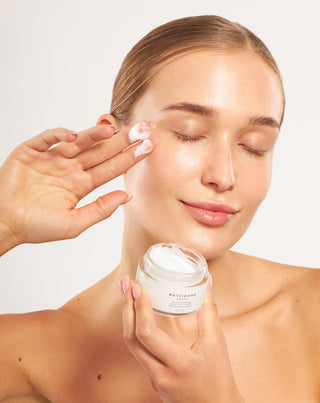
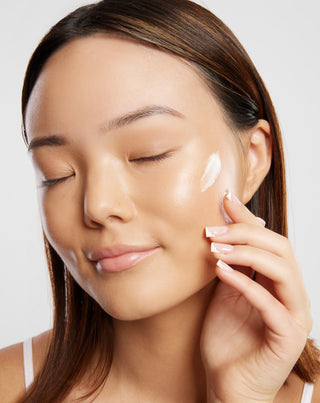
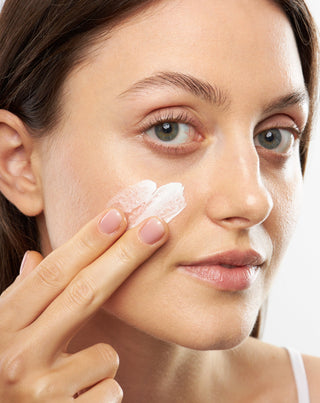
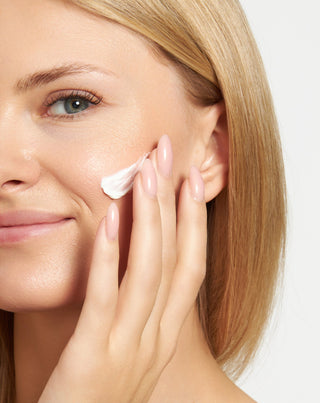
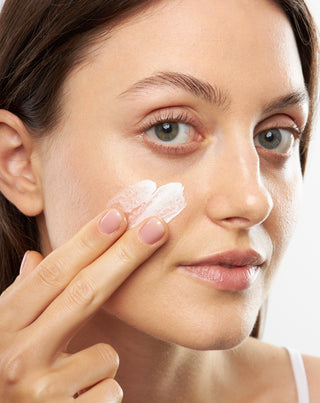
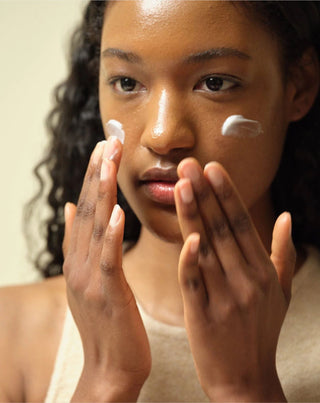
- Gently spread the night cream, lightly patting it in with your fingertips - don't forget your neck and décolleté. Massaging facilitates absorption and improves microcirculation
- Wait a few minutes before going to bed so that the cream is well absorbed
Do this routine every day, preferably 20-30 minutes before bedtime. If you use retinol or acid creams, introduce them slowly and always remember to apply sunscreen in the morning.
Don't overdo it with the amount of product - a thin layer will do just fine and prevent clogging of pores. Give yourself time to care - step by step, calmly.
Frequently asked questions about night creams
How often should I use night cream?
It is best to use a night cream every evening to regularly support the natural regenerative processes. The exception is products with a high concentration of retinol or acids - in their case, introduce them gradually and observe the skin's reaction.
Can a night cream replace a serum?
Night cream and serum differ primarily in the concentration of ingredients and consistency. A serum works more intensively, while a cream completes the care, taking care of hydration and protection throughout the night. For best results, combine both products in your evening ritual.
What if the cream irritates the skin?
In case of irritation, take a break or use the cream less often. Choose a milder version, preferably without alcohol and with panthenol or allantoin. Before full use, it's a good idea to conduct a patch test on a small area of skin.
If symptoms persist or get worse, contact a dermatologist. Ingredients such as niacinamide or plant extracts may provide relief.
Can night cream be used under the eye?
The skin around the eyes is very thin and delicate. If the manufacturer explicitly recommends it, you can use a night cream on this area as well. Otherwise, reach for a specialized eye cream that better meets the needs of this sensitive zone.
How to distinguish a night cream from a day cream?
Night creams tend to have a richer texture and more regenerative ingredients, while they do not contain sunscreens. Day creams are lighter, often come with SPF and focus on protection against external factors.
When choosing, pay attention to these differences - an important step in effective skin care and regeneration.