

17 products




Hair oils and oils - a natural basis for healthy care
Hair oils and oils are for those looking for conscious, natural care, in line with a holistic approach to taking care of themselves. These products are often based on plant-based ingredients, cold-pressed without unnecessary processing, which allows them to retain their full nutritional value.
In our offer you will find both vegan and organic cosmetics, the quality of which is confirmed by certificates. You can choose from pure plant oils, macerates and light oils, which are easy to incorporate into your daily skin care ritual. Many of them will work not only for hair, but also for scalp, face, body or nail care.
A wide selection of products awaits you at Nutridome to help you create a home treatment based on simple, natural ingredients.
The most important benefits of hair oils and oils - moisturizing, restoring and protecting hair
Systematic use of hair oils allows you to take care of deep hydration, regeneration and protection from harmful external factors. Available products strengthen the structure of the hair, protect it from the sun, wind or air pollution.
Many oils show antioxidant activity and support the scalp's natural defense mechanisms. In some formulas you will find ingredients that reduce hair loss, soothe irritation and provide a pleasant aromatherapeutic experience thanks to the presence of natural essential oils.
Each oil works a little differently - some strengthen the hair, others help soothe inflammation or restore balance to the scalp. This makes it easier for you to choose the perfect solution for your needs.
The most popular vegetable oils for hair
Natural, plant-based hair oils are a source of valuable nutrients that can be tailored to your hair type and scalp condition. Nutridome's offer is constantly growing - learn about the properties of the most popular oils:
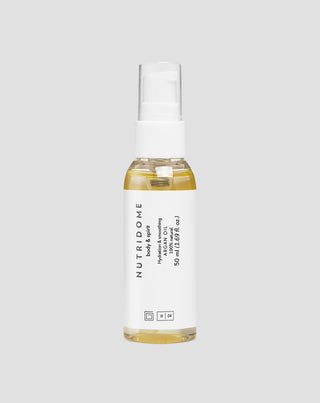
- Argan oil - light, rich in vitamin E, moisturizes, smooths and gives shine, especially recommended for dry and medium-porous hair
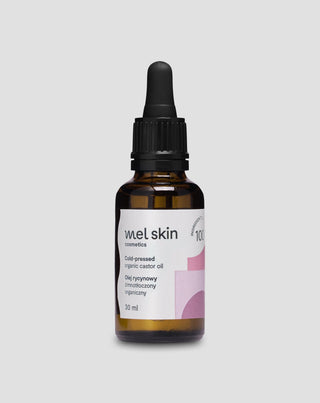
- Castor oil - promotes the growth of hair and nails, strengthens the roots, is useful for the problem of excessive hair loss
- Flaxseed oil - contains omega-3 and omega-6 acids - is ideal for high-porous hair, and also soothes scalp irritation
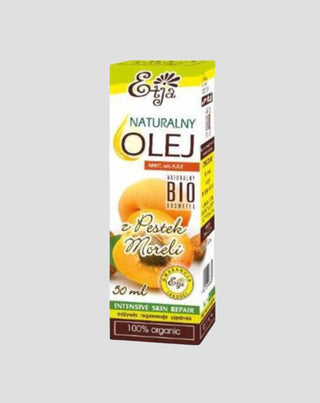
- Apricot kernel oil - light texture, quickly absorbed, recommended for thin, fine hair and sensitive skin
- Plum seed oil - intensely nourishes and protects the ends, great for damaged hair, has a pleasant fragrance
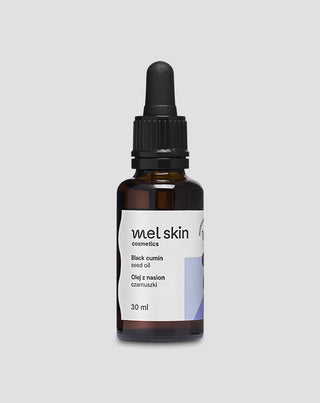
- Black cumin oil - famous for its antibacterial and antifungal properties, helps soothe inflammation of the scalp
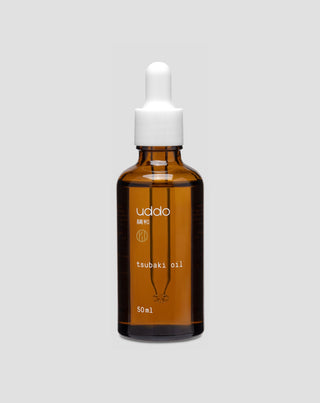
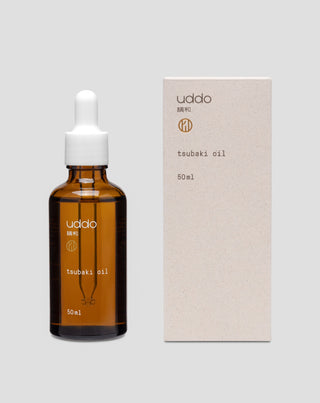
- Tsubaki oil - great for moisturizing and smoothing, recommended for dry and lackluster hair
- Neem oil - supports the fight against dandruff and irritation, has an antibacterial effect
- Lavender oil, peppermint oil - used in small amounts, they bring a feeling of freshness, relaxation and improve the condition of the scalp
- Cocoa butter - works well for low-porous hair, protects against moisture loss and smooths hair
How to choose an oil or oil for your hair and scalp type?
When choosing the right oil , you should pay attention to the porosity of your hair (low, medium or high), its current condition (whether it is dry, damaged, colored) and the individual needs of your scalp, such as the presence of dandruff, excessive oiliness or irritation.
Some products promote the reduction of hair loss and accelerate hair growth. Others help soothe inflammation, acne, eczema or psoriasis. Many oils are natural solutions with antibacterial and antifungal properties, especially useful for problematic skin.
If you're just getting started with oiling, reach for lighter formulas and observe how your hair and scalp react - it's the easiest way to find the perfect product for you.
Oiling and other ways to apply oil and hair oil
Oils and hair oils can be used in many different ways, adapting the method to your needs. Here are the most popular ways of use:
-
Classic hair oiling (dry or wet)
Apply a small amount of oil to dry or slightly damp hair, let it sit for 30-60 minutes or overnight, and then wash your hairwithamild shampoo.Just a little product is enough to avoid overloading your strands -
Scalprubs
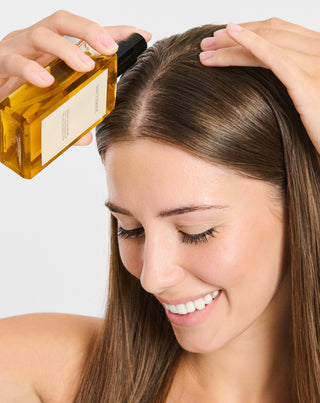
Massage a few drops of oil into your scalp 15-30 minutes before shampooing. The massage stimulates circulation and promotes hair growth, while the lightweight formula does not weigh down the hairstyle -
Add to serums or conditioners
Enrich your favorite serum or conditioner with a few drops of oil to increase the conditioning effect and provide additional nourishment -
Protective treatment for the ends
After washing your hair, apply some oil to the ends to protect them from splitting and moisture loss
Selected oils are also great for massaging the scalp, as a bath additive, or even - if they're meant for it - as a makeup base. Try different solutions and discover your favorite skin care ritual.
Frequently asked questions about hair oils and oils
How to use hair oils so as not to weigh down the strands?
The key is moderation - for medium-length hair, a few drops, evenly distributed on the lengths or ends, is enough. After treatment, use a mild shampoo to rinse the oil thoroughly. For thin or fine hair, light oils such as jojoba or grapeseed will work well. When you apply oils to your scalp, also use small amounts and watch your skin's reaction.
What is the difference between oil and hair oil?
An oil is a pure, natural plant ingredient, most often obtained by cold pressing. A hair oil is a blend of different oils, extracts and ingredients that help with styling or heat protection. This allows you to choose a formula perfectly suited to your daily needs.
How to choose an oil for the porosity of your hair?
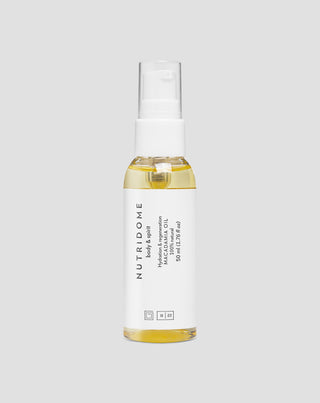
Low-porous hair responds best to saturated oils, such as coconut or cocoa butter. For medium-porous, oils with omega-7 and omega-9 acids, such as argan or macadamia, will be suitable. Highly reactive hair will like oils rich in omega-3 and omega-6, such as flax, hemp or nigella. Such a selection not only helps take care of the hair, but also works well for the scalp and nails.
Is oiling suitable for sensitive scalps or those with psoriasis?
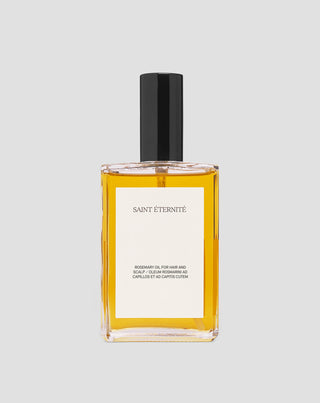
Yes, but it is worth betting on oils with soothing properties, such as nigella, neem or rosemary. Always do an allergy test, keep application time to a minimum and gently massage the scalp. For washing, choose mild shampoos without SLS, which will reduce the risk of irritation. Many oils help restore the balance of microflora and soothe inflammation.
How to store natural oils to keep them fresh?
Oils are best kept in a cool, dark place, away from sunlight. Dark glass bottles and airtight seals limit the access of air, which helps preserve the properties of the product for longer. As a result, oils will also work well for skin and nail care.