

36 products


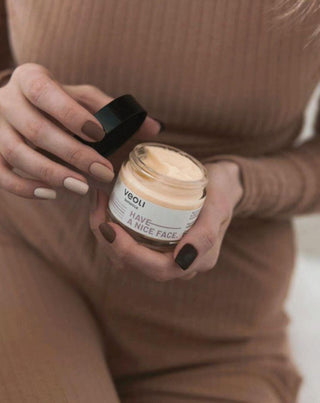
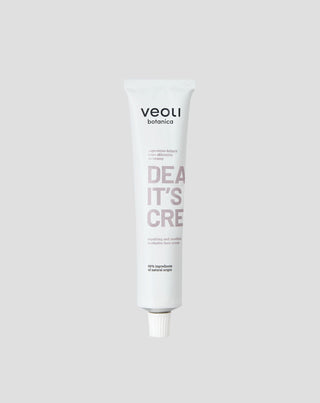

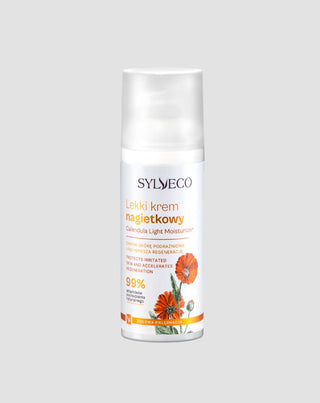
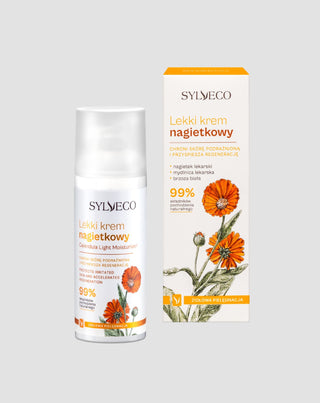


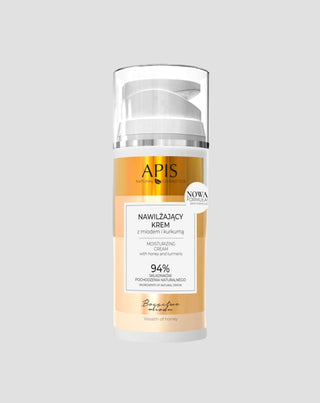


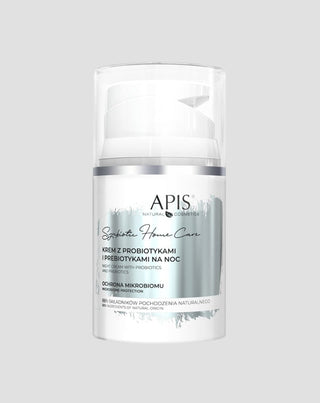


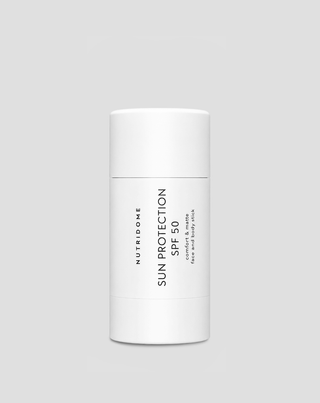
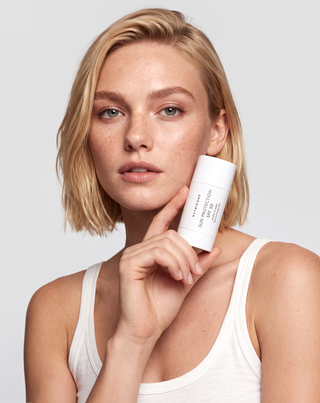


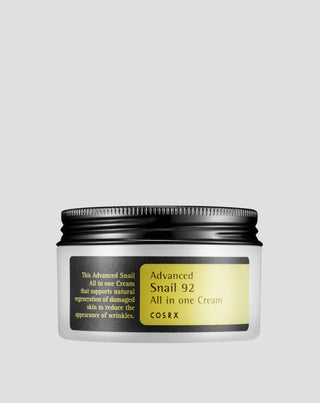
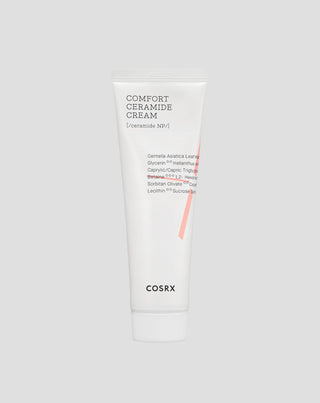
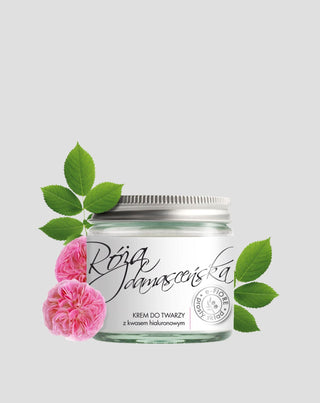
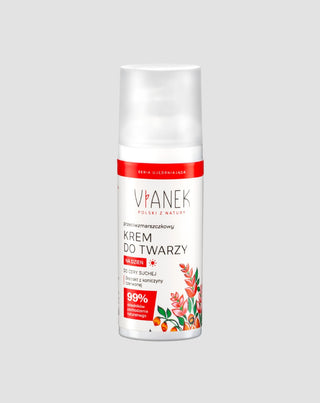
Creams for sensitive skin - what are they and what benefits do they bring?
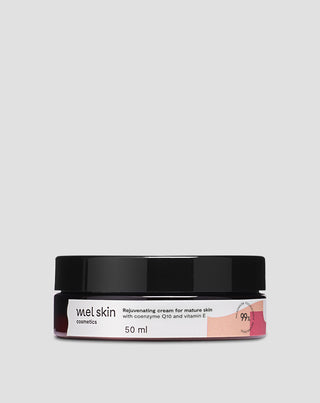
Creams designed for sensitive skin have been created specifically for people whose skin is easily affected by redness, burning or unpleasant tightness. Their formulas are exceptionally gentle, devoid of irritating substances such as strong preservatives, alcohol or artificial dyes and intense fragrances.
In this category you will find cosmetics tested for safety, which are perfect as part of daily care. Regular use of such creams helps soothe irritation, promotes skin renewal and strengthens its natural protection, making it less susceptible to negative stimuli and much more comfortable.
Most products have a light, quickly absorbed formula, so they do not weigh down the skin, do not cause a mask effect and are also great under makeup.
The needs of sensitive skin and the role of the hydrolipidic barrier
The hydrolipid barrier is a protective layer of the skin that prevents excessive water loss and protects it from harmful environmental influences. In people with sensitive skin, its functioning is sometimes impaired, resulting in faster dryness, greater susceptibility to allergens and more frequent irritation. This is why it is so important to strengthen it.
Creams dedicated to sensitive skin provide moisturizing, soothing, lubricating and regenerating ingredients, such as hyaluronic acid, glycerin, panthenol, allantoin, plant extracts, shea butter, oils or ceramides and niacinamide. Oily substances help prevent dryness, while filters protect against UV radiation.
Thanks to such care, the skin regains its balance, becomes less susceptible to irritation and more effectively copes with negative environmental influences.
Types of creams for sensitive skin - how to choose the best one?
- Moisturizing day and night creams: ideal when you want daily hydration and light protection
- Nourishing night and day creams: will work well when your skin is dry, tired and needs nourishment and regeneration
- Regenerating day and night creams: recommended after treatments, during dermatological treatments, for skin with a weakened protective barrier
- Barrier, protective and emollient creams: protect against moisture loss - especially useful in harsh weather conditions or with air conditioning
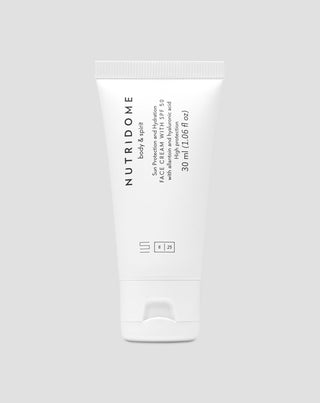
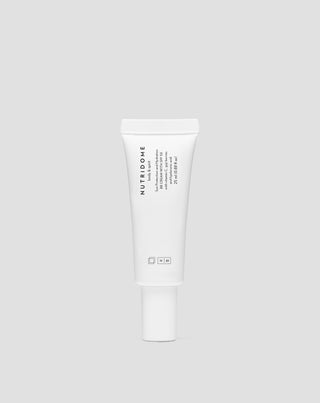
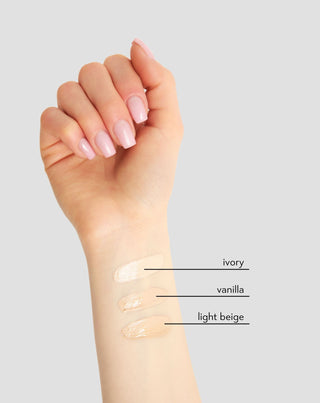
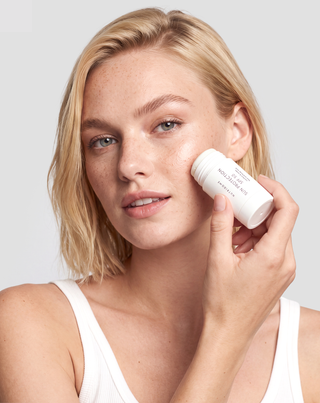
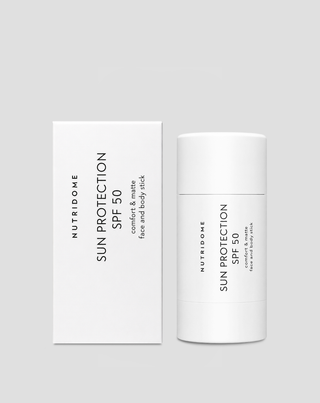
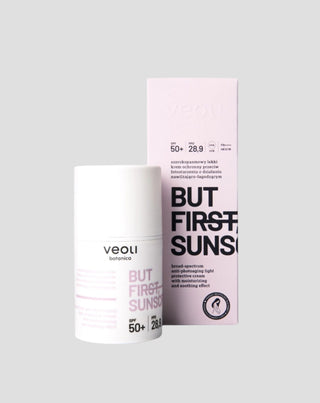
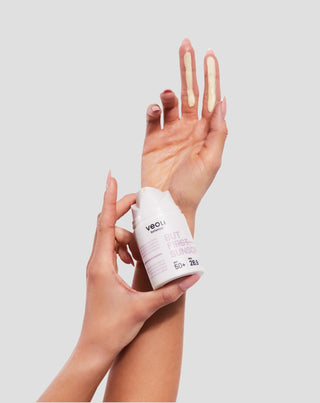
- Creams with SPF 50, BB creams with SPF 50, BB creams: combine sun protection with skin tone equalization, great for everyday use and under makeup
- Creams for sensitive and atopicskin: help soothe irritation and redness, promoting regeneration
- Nourishing and smoothingeye creams: gentle formulas designed for sensitive skin around the eyes to moisturize and reduce signs of fatigue
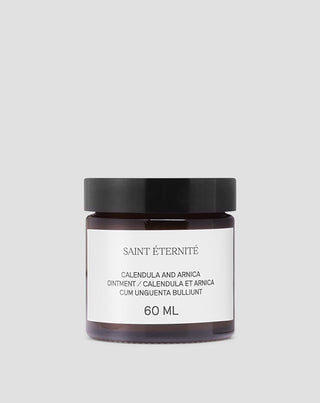
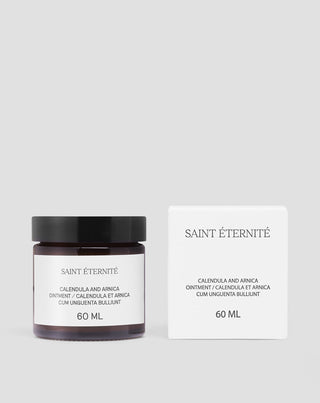
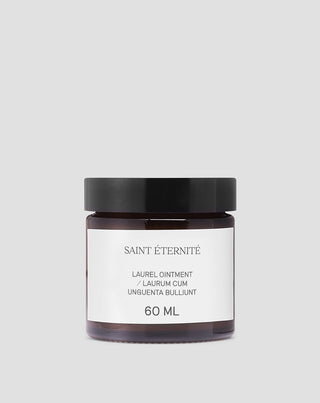
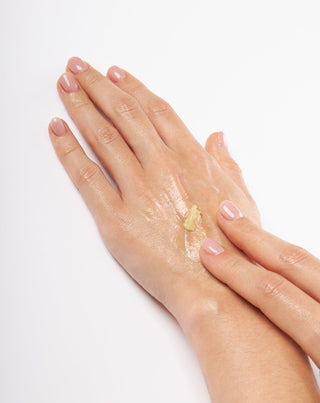
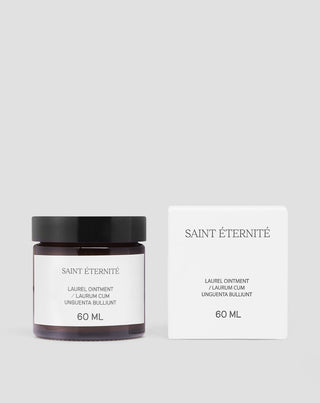
- Natural, calendula and laurelointments: simple topical formulas that lubricate, soothe and promote epidermal renewal
- Facial and intensive moisturizingserums: concentrated formulations that enrich daily care and enhance its effects
The most important active ingredients in creams for sensitive skin - how do they support the skin?
Cosmetics for sensitive skin are very often based on natural and gentle active ingredients that nurture without the risk of irritation. Moisturizing substances such as hyaluronic acid and glycerin bind water in the skin and smooth its surface.
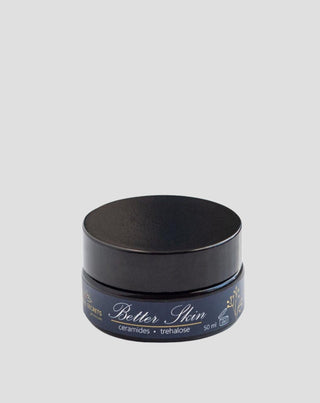
Panthenol, allantoin and probiotics have a soothing effect, bringing relief and reducing redness. Emollients and vegetable oils, such as shea butter, squalane or macadamia, argan, jojoba, avocado or raspberry seedoils, rebuild the lipid mantle and strengthen the skin's immunity. Ceramides and niacinamide promote the regeneration of the protective barrier and support anti-aging prevention.
Cosmetics with prebiotics and probiotics help maintain the balance of the skin's microflora, while antioxidants such as vitamins C, E and B12 effectively protect against free radicals.
By including creams with ceramides, prebiotics or probiotics in your routine, you ensure comprehensive care and safety even for very sensitive skin.
How to use creams for sensitive skin - practical tips
Sensitive skin care is best started with gentle cleansing - avoid strong detergents that can dry and irritate. Then reach for a toner for sensitive skin, a serum and a cream, applying successive products from the lightest to the richest.
In the morning, don't forget about sun protection - on sunny days, choose a high sunscreen or a light BB cream with UV protection. Introduce each new cosmetic gradually, first doing a sensitization test on a small patch of skin. Use creams both in the morning and in the evening, taking care to use hygienic packaging - preferably those with a pump, which help keep the product fresh.
Bet on light, non-perfumed formulas or those with a subtle fragrance. Being systematic and taking care of every step of your care will bring you closer to healthy, radiant skin. Remember that proper care is also about rest and regeneration.
Frequently asked questions about creams for sensitive skin
How to recognize sensitive skin?
Sensitive skin usually reacts with burning, tightness, redness or itching, especially after contact with water, cosmetics or rapid changes in temperature. If you notice such symptoms after using new products or coming into contact with the environment, and your skin is easily irritated, watch it after cleansing. It is worth reaching for soothing and fragrance-free products, and if in doubt, consult a dermatologist.
Won't a cream with SPF 50 be too heavy for sensitive skin?
Modern high sunscreens, especially those with mineral and organic filters, are lightweight, do not leave a white film and are suitable for people with sensitive skin. Choose products that are fragrance-free, dermatologically tested and suitable for sensitive skin. In Nutridome's range you will find a wide selection of such creams that protect without weighing down the skin.
What ingredients should people with sensitive skin avoid?
It's best to steer clear of cosmetics containing denatured alcohol, intense fragrances, SLS, parabens and some essential oils, as they can irritate. Safer choices are creams with panthenol, ceramides, niacinamide and natural plant oils, which soothe and support the skin's microflora.
Are creams with ceramides and niacinamide safe during pregnancy?
Ceramides and niacinamide are considered safe ingredients during pregnancy. However, it is recommended to consult a doctor and choose cosmetics with simple, clear formulas that have been dermatologically tested - this is also important during breastfeeding.
How to properly combine serums and creams so as not to burden the skin?
Apply cosmetics according to the principle "from the lightest to the richest" - start with the serum, and then reach for the cream. Wait a while between layers so that the ingredients are well absorbed. Choose lightweight formulas and don't use too many intense products at the same time, which will keep your skin comfortable and balanced.