

27 products
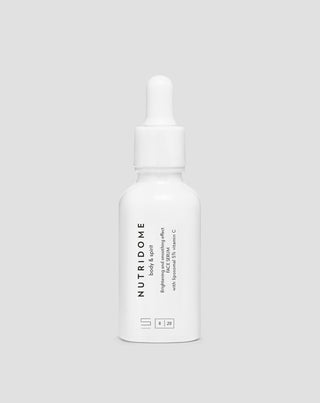
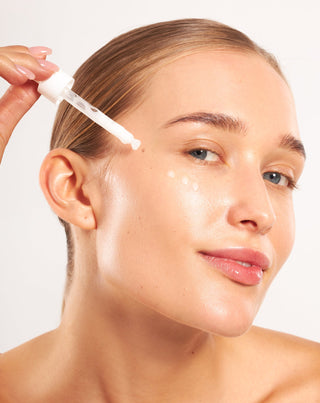
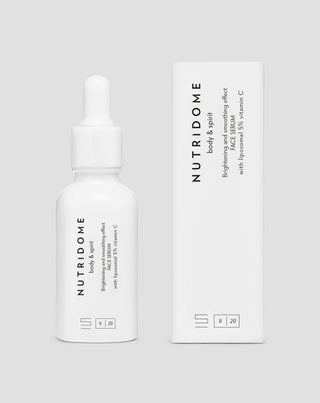
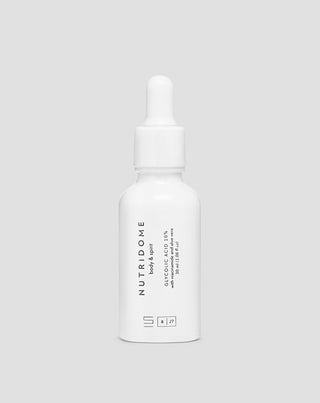
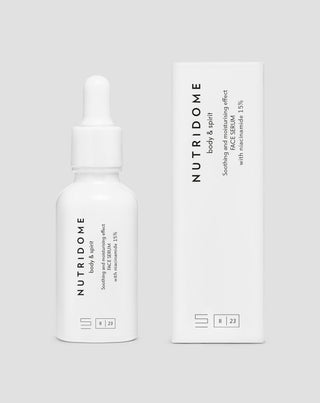
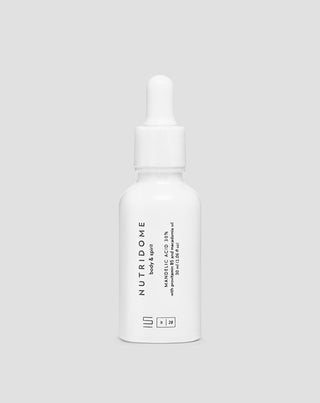
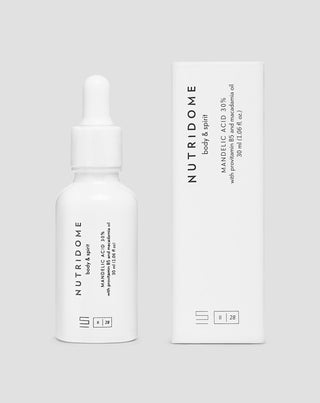

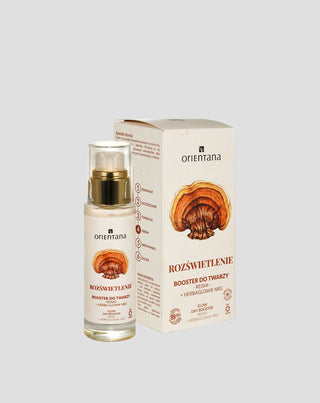
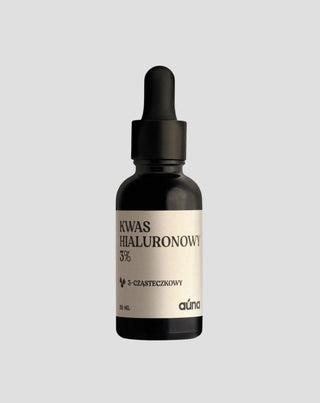
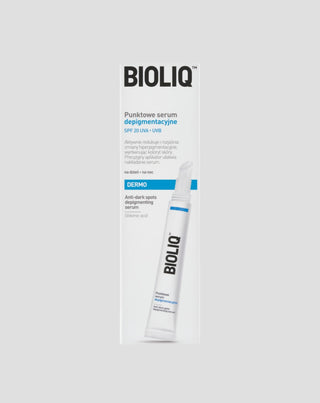
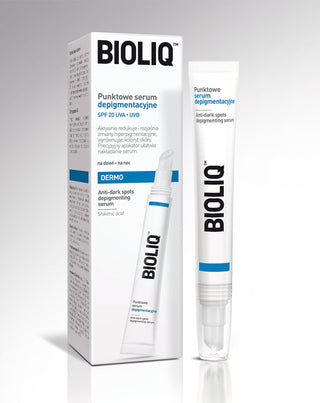
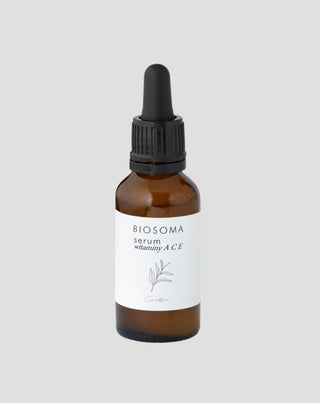
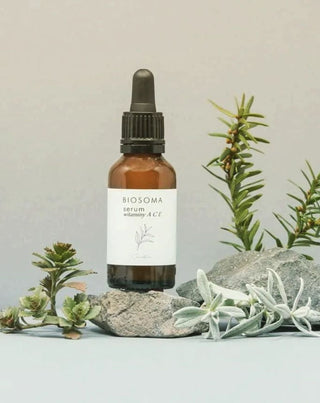




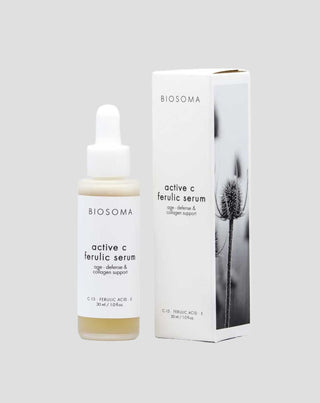
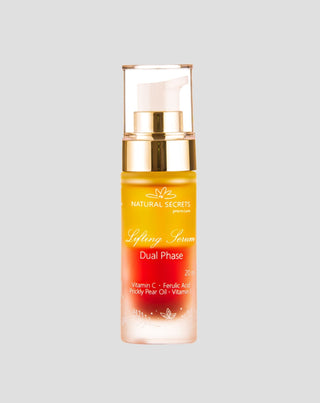
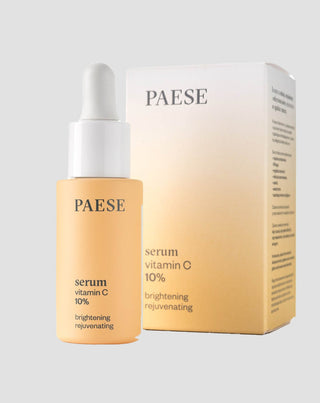
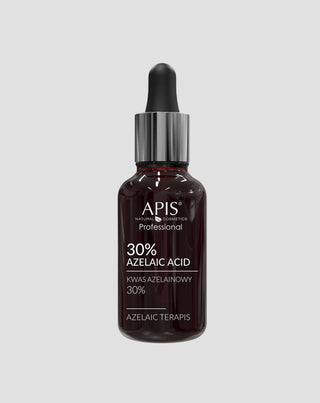
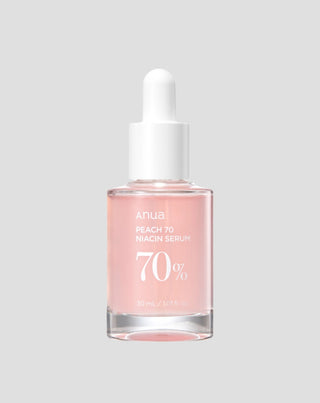
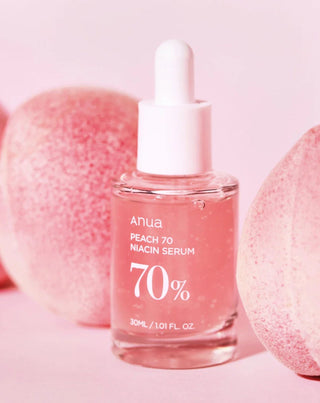
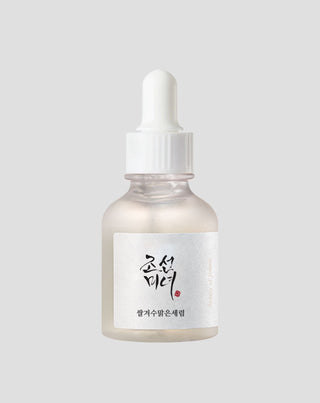
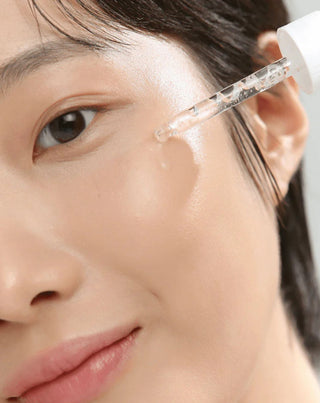

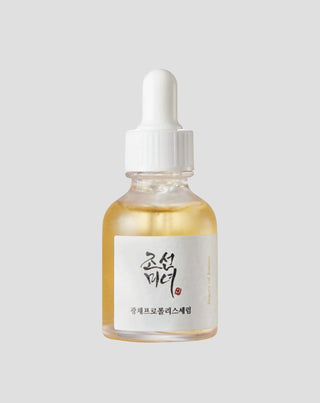
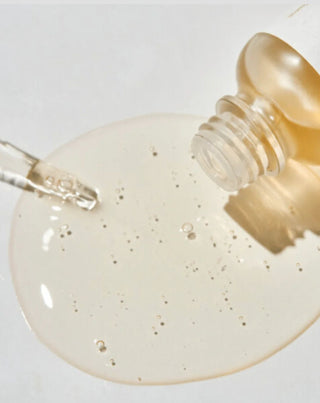
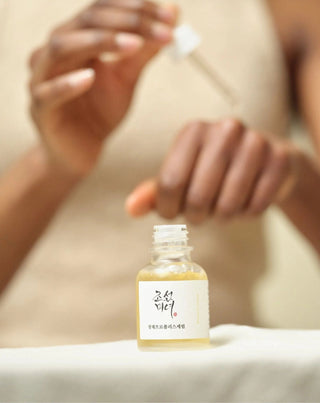
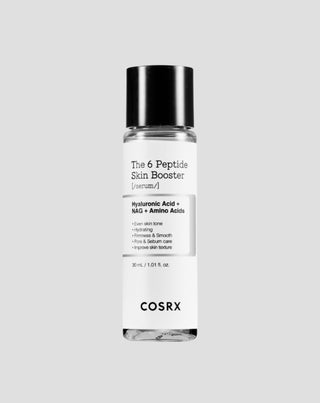
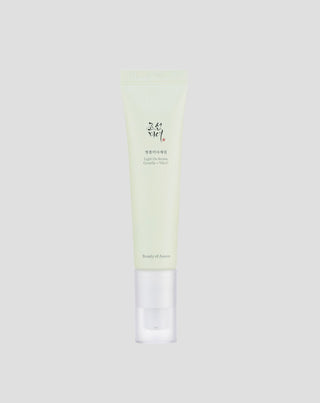
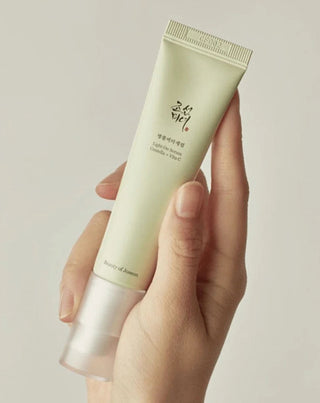
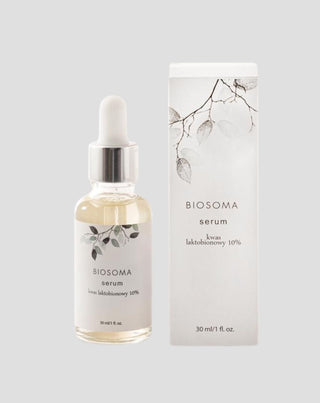
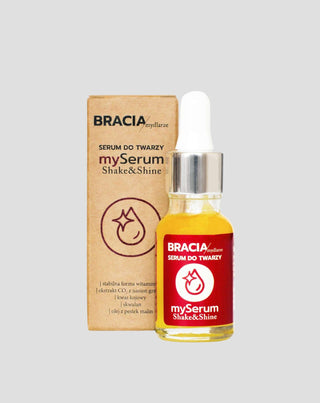
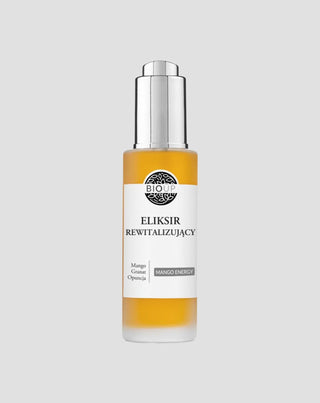
Serum for hyperpigmentation - what is it and why should you use it?
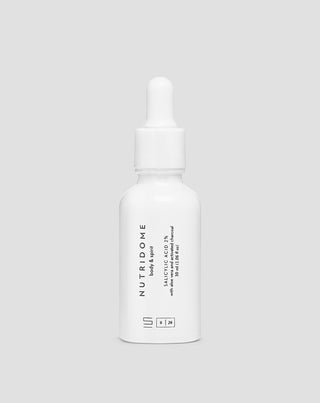
Serum for hyperpigmentation is an extremely concentrated cosmetic with a lightweight, instantly absorbed formula. It contains much more active ingredients than traditional creams, effectively lightens existing spots, evensout skin tone and helps prevent new discoloration. It is also often found under the name of depigmenting or brightening serum.
This product will work well regardless of skin type - for both mature and problematic skin. A wide range of formulas awaits you at Nutridome: from light elixirs to gentle emulsions to gel boosters. Each of them is easily absorbed, does not weigh down the skin and works perfectly with makeup. This allows serums to become a natural part of your daily skin care routine.
How does a serum work and what kind of hyperpigmentation is it effective for?
Discoloration occurs when too much melanin accumulates in the skin - most often due to inflammation, UV rays or oxidative stress. Modern serums promote the reduction of visible lesions, reduce the activity of the enzyme responsible for the formation of pigment, accelerate cell renewal and have anti-inflammatory and antioxidant effects.
A well-chosen serum helps lighten different types of hyperpigmentation: redness after inflammation, dark marks after acne, melasma or discoloration after sunbathing or hormonal changes. It is worth remembering that the effects appear with regular use - the first results can be seen after just a few weeks, but a systematic approach to care is key.
The most important active ingredients in serums for hyperpigmentation
The effectiveness of depigmenting serums is due to the thoughtful combination of ingredients that complement each other. In selected Nutridome offerings you will find, among others:
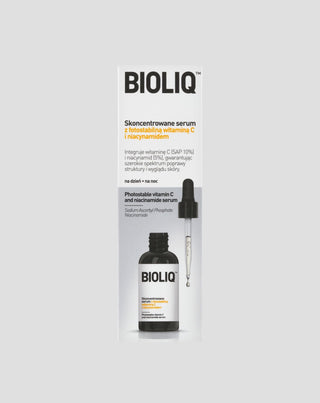
- Vitamin C (serum) - a powerful antioxidant that brightens the skin, counteracts the negative effects of oxidative stress and supports collagen production
- Niacinamide (serum) - regulates sebum secretion, soothes irritation and evens out skin tone
- AHA and PHA acids - gently exfoliate the epidermis, making blemishes less visible and giving the skin a smoother texture
- Hyaluronic acid (serum) - deeply moisturizes and promotes regeneration, while improving elasticity
- Plant extracts - such as licorice extract, milk thistle, green tea and resveratrol, have soothing, anti-inflammatory effects and neutralize free radicals
- Advanced depigmenting ingredients, such as Tiamidol and nonapeptide-1 - effectively reduce the formation of dark spots
Many serums contain several of these components, so they support effective skincare and help achieve a uniform, radiant appearance.
How to use serums for hyperpigmentation in daily skin care?
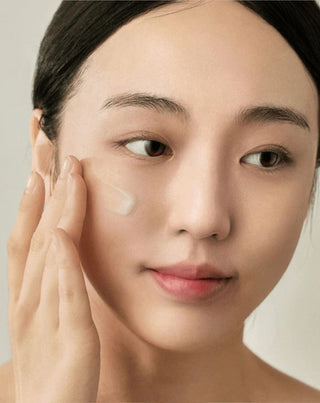
To get the most out of a serum for hyperpigmentation,incorporate it into your daily skin care regimen in a few simple steps: first, thoroughly cleanse your face, use a toner, apply a serum and then a moisturizer. In the morning, be sure to protect your skin with a high sunscreen to protect it from UV rays.
Depending on the content of acids or retinoids , some products are applied once a day (usually in the evening), others twice a day - always on dry, healthy skin. If you reach for a serum with retinol or acids, remember to apply sunscreen daily to prevent recurrence of hyperpigmentation.
Those with sensitive skin should choose milder formulas and gradually introduce the serum - every few days at first, watching the skin's reaction. For acne-prone skin, it's worth betting on light, non-comedogenic bases and soothing ingredients like niacinamide or azelaic acid, which don't weigh down the skin and help maintain its balance.
Textures, packaging and additional benefits of serums for hyperpigmentation from Nutridome
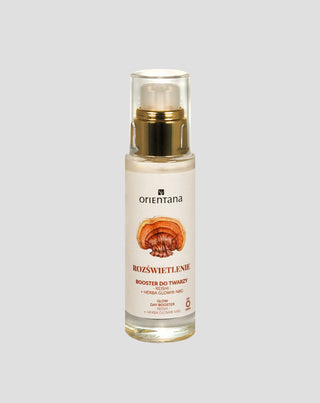
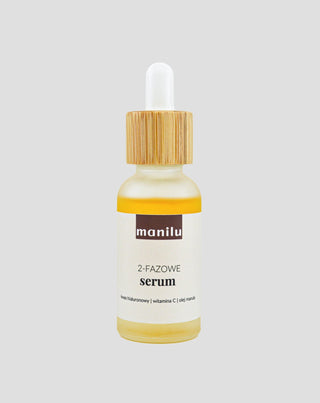
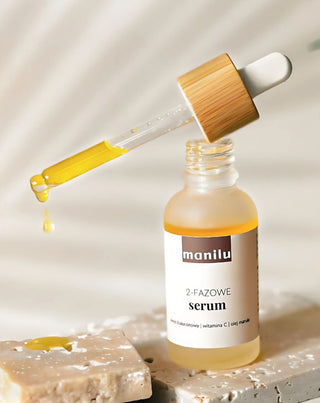
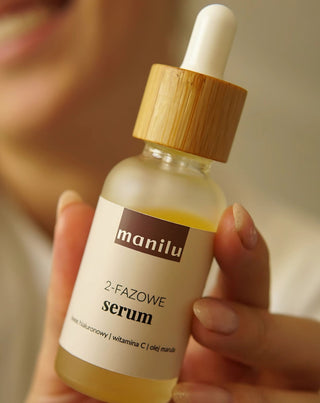
At Nutridome, you'll find serums for hyperpigmentation in a variety of variants - from light, water-based formulas to gel boosters to two-phase elixirs. This makes it easy to choose the consistency that best suits your needs. Each is quickly absorbed and does not leave a greasy film, making it great under makeup.
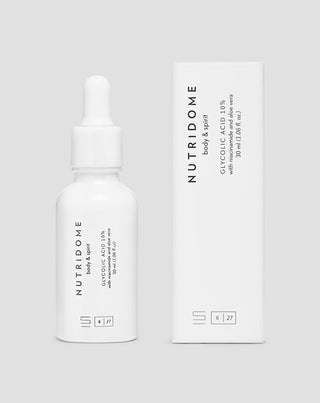
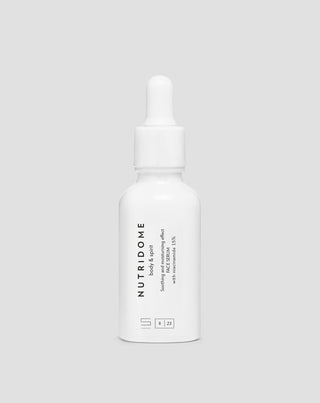
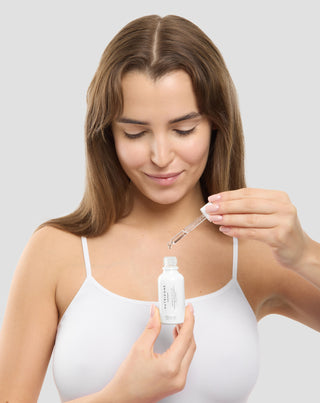
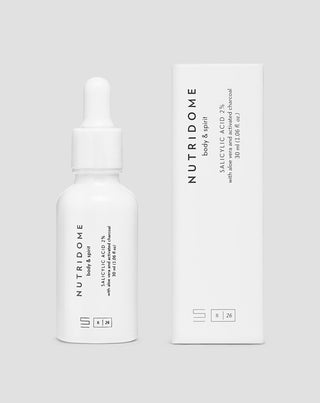
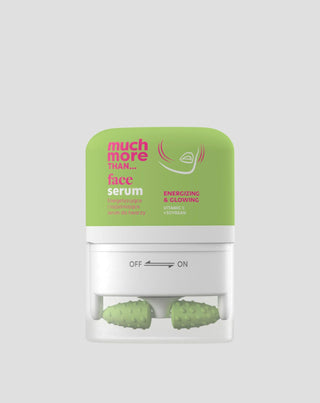
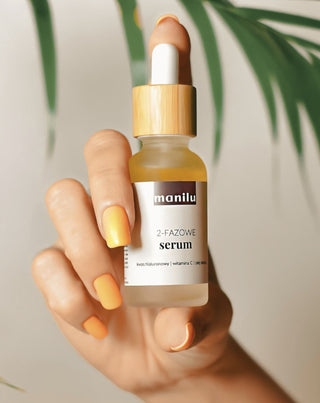
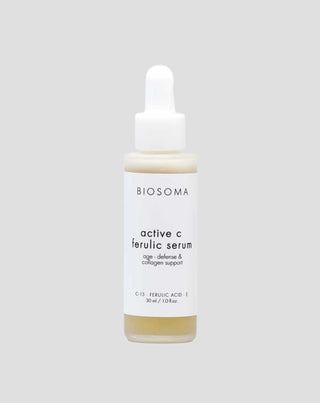
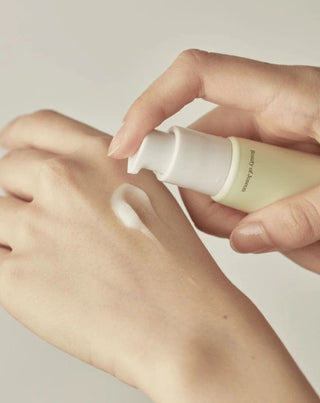
Glass bottles with a pipette take care of the freshness of active ingredients, such as hyaluronic acid and plant extracts, protecting them from oxidation. Precise application is facilitated by spot rollers, which allow the serum to be applied directly to the desired areas.
Frequently asked questions about serum for hyperpigmentation
Is it possible to use serums for hyperpigmentation in summer?
Of course! You can use serums for hyperpigmentation all year round, even in the warmer months - as long as you protect yourself daily with a high sunscreen and reapply your cream regularly throughout the day. Some ingredients, such as AHA/BHA acids or retinoids, can increase the skin's sensitivity to the sun, so it's best to apply in the evening, always remembering to use adequate photoprotection.
When will I notice the first effects of the serum?
The first signs of brightening and color improvement can appear after just a few weeks of regular serum use - usually 4-6 weeks. Fuller effects usually require 8 to 12 weeks of regular care and consistent sun protection. The results also depend on the depth of hyperpigmentation and the individual needs of your skin.
Are acid serums suitable for sensitive or pregnant skin?
There are acid serums that are suitable for sensitive skin, especially if you reach for milder formulas with lower concentrations of acids. It's worth choosing products with niacinamide, azelaic acid or plant extracts - they are effective yet gentle.
Pregnant women are not recommended to use retinol, while they can safely use products containing vitamin C or arbutin - preferably after consulting a doctor.
How to combine vitamin C and niacinamide in skin care?
You can confidently use vitamin C and niacinamide in one routine.First apply a lighter, water-based vitamin C serum, and after it is absorbed, reach for a niacinamide serum or cream. You can also apply vitamin C in the morning and niacinamide in the evening, making sure to apply the products from the lightest to the most concentrated. Regular sun protection is the basis for effective and safe care.